16 – 17 April 2027
Antwerp

Pain Science in Practice

Two days with Prof. Lorimer Moseley

Two days with Prof. Lorimer Moseley (AUS) are far more than an update on pain science. As one of the world’s most influential pain scientists, he combines exceptional scientific expertise with a remarkably compelling way of teaching. Watching him work is an experience in itself: provocative, surprising, interactive and packed with insights that will lastingly challenge the way you look at pain and recovery.

€740 excl. VAT


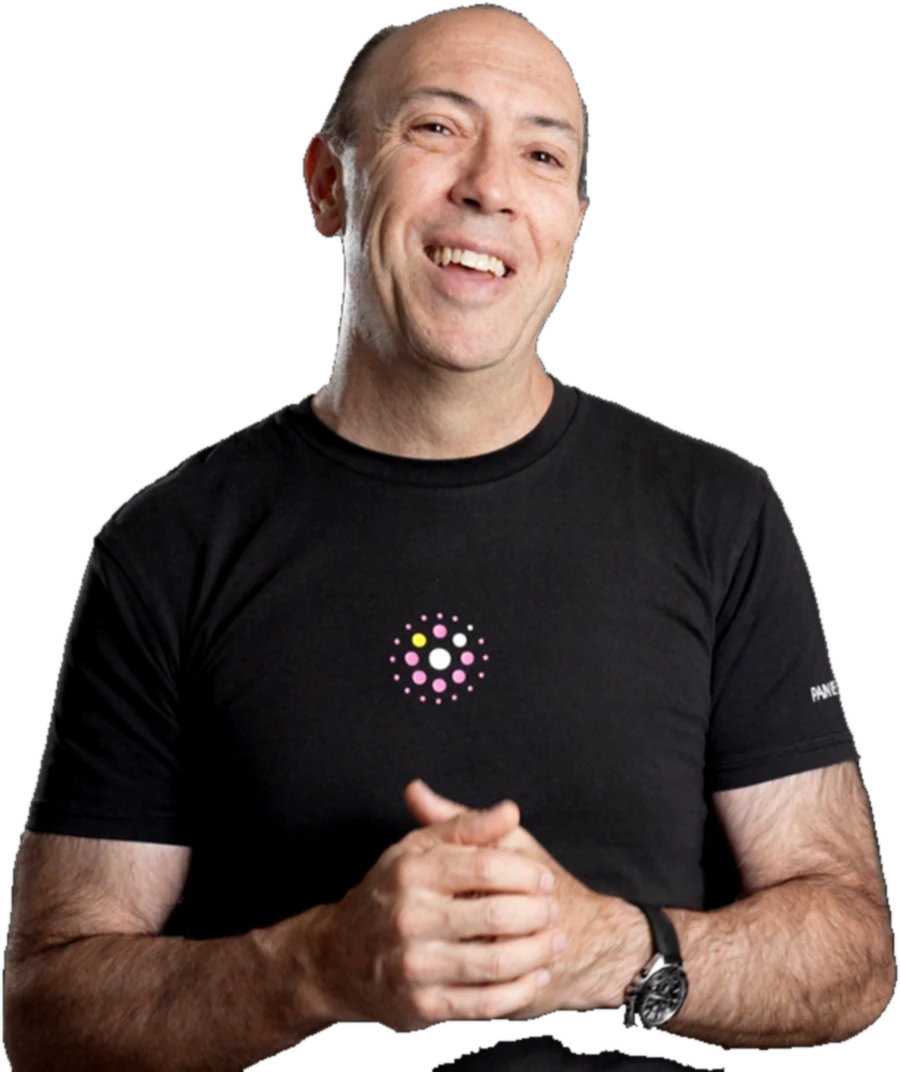
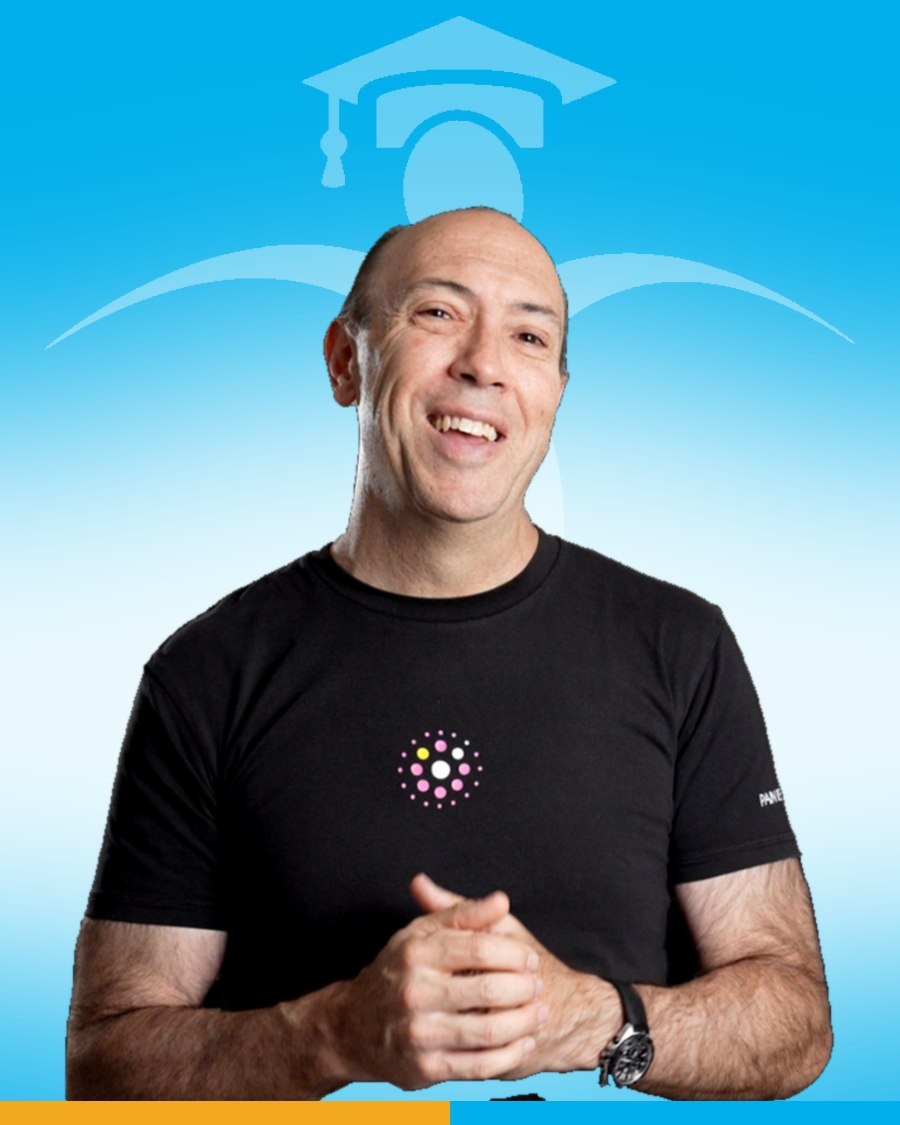
Prof. Lorimer Moseley
In partnership with
NOI group
Fysiolinks
95/100average course ratingPain Science in Practice participants
97%rate the course “very enjoyable”Pain Science in Practice participants
400+scientific publicationsProf. Lorimer Moseley
2days live in Antwerp16 and 17 April 2027

Which questions does this course answer?

You know the basics of pain education. These two days are about the finer points: about the patients for whom a correct explanation is not enough. Three questions run through the course.

Why does pain persist?

Tissue heals, but the pain system keeps protecting. Moseley shows how expectations, experiences, beliefs and environment keep pain going, and what that means for your approach.

Why doesn’t explaining lead to change by itself?

Understanding is not the same as changing. You will learn why pain education works for one patient and not for another, and how learning science answers that.

What do you do with someone who has heard it all?

For the patient who knows the messages but stays stuck, you need more than a better explanation. You will get concrete methods to achieve real conceptual change.

A personal message from Lorimer

Lorimer Moseley explains what you can expect from these two days, and who he made them for.

Learn. Do. Connect.

The thread running through both days: an integrated recovery approach in which understanding, purposeful action and connection reinforce one another.

Learn

Understanding how pain and recovery work, with science-based explanations that patients genuinely take with them.

Do

Applying evidence-based interventions and behaviour change: loading, graded exposure, managing flare-ups.

Connect

Strengthening connection with people, places and meaningful goals, as the engine of lasting recovery.

Moseley’s case: combine at least two of the three in every clinical interaction, and the outcome changes.
What you will be able to do

  • Integrate contemporary insights from several scientific fields into your clinical reasoning about chronic pain and recovery.
  • Analyse why pain education leads to change in some patients and falls short in others.
  • Translate principles from predictive processing, neuroimmunology, learning science and bioplasticity into creative, patient-centred interventions.
  • Use the Essential Pain Facts and the Protectometer model flexibly to promote deep understanding and conceptual change.
  • Apply the Learn.Do.Connect approach in personalised recovery pathways, with attention to behaviour, connection, meaning and lasting recovery.

Key concepts covered

Predictive processing
Essential Pain Facts
Protectometer
DIMs & SIMs
Neurotags
Bioplasticity
Nociplastic pain
Neuroimmunology
Graded exposure
Sweet zone for change
Deep learning (ICAP)
Level: advanced. Some neuroscience background helps, but is not required. The course is taught in English.
Prof. Lorimer Moseley

Prof. Lorimer Moseley, AO

Bradley Distinguished Professor, University of Adelaide · founder of Pain Revolution

Clinical neuroscientist, pain researcher, physiotherapist and science communicator. He leads the Body in Mind Research Group, which investigates how brain, body and environment contribute to chronic pain and recovery. His career previously took him to the University of Sydney, the University of Queensland and Oxford.

With more than thirty years of clinical experience, his research has fundamentally shaped pain neuroscience and influenced clinical guidelines worldwide. But what people remember most after seeing him live is the way he teaches: scientifically rigorous and intellectually demanding, yet accessible, surprising and thoroughly engaging.

  • More than 400 scientific publications, cited in clinical guidelines worldwide
  • Author of Explain Pain, Painful Yarns and the Explain Pain Handbook: Protectometer
  • Officer of the Order of Australia (2020) for his contribution to pain research and education
  • Honoured Member of the Australian Physiotherapy Association
  • Honorary Fellow of the ANZCA Faculty of Pain Medicine and Fellow of the Australian Academy of Health and Medical Sciences
  • Founder of Pain Revolution, which makes pain science accessible to patients and communities

What previous participants say

An incredible educator with a seemingly bottomless capacity for compassion. I loved the mode switches, I loved the humor. I left completely buzzing. One of the best learning experiences I’ve ever had.

Thank you for your persistence in quality science and education. Lorimer, thank you for your ability to wrap education into storytelling. You have helped so many folks get out of hell and enjoy life.

Of all the courses I have done in my nearly twenty years of practice, this by far was the smartest group of people I’ve been around. All the questions were outstanding and insightful.

Feedback from hundreds of previous participants is consistent: exceptionally valuable, immediately applicable, hard work and fun.

Programme

Ten sessions across two days. Not a sequence of lectures and practicals, but exercises, discussion, reflection and application to clinical or personal situations. Click a session to open its content.

Day 1 · Friday 16 April

Understanding pain

Morning

Why chronic pain matters
What chronic pain is, the scale of the problem and its impact on health and society.

  • Links between pain and depression, anxiety, fatigue, PTSD and loneliness
  • Economic and social consequences of persistent pain
Foundations of modern pain science
From nociception to pain: variability, dynamics and clinical implications.

  • Nociceptive, neuropathic and nociplastic pain
  • WHO ICD: chronic primary and secondary pain
  • Allodynia and hyperalgesia
How learning changes understanding
The course applies what it teaches: evidence-based learning methods for deep learning.

  • The ICAP framework
  • The RECLAIMA framework: repeat, explain, compare, investigate, act

Afternoon

Pain education as treatment
The evolution and evidence of Explain Pain, and its limits.

  • What pain education can achieve, and what it cannot do alone
  • Why education usually needs to be combined with active recovery
  • Why the field needs to shift towards deep learning
The Essential Pain Facts
Development, testing and credibility of the four core facts about pain, and how to use them in practice.
Day 2 · Saturday 17 April

Recovery, bioplasticity and application

Morning

Predictive processing and the brain
The brain as a prediction system.

  • Internal models and prediction errors
  • How pain emerges from threat predictions
  • Why pain can persist after healing
Neurobiology of persistent pain
What changes in brain, spinal cord and immune system.

  • Neural networks (“neurotags”) and sensitisation
  • Neuroimmune interactions
  • Bioplasticity: the capacity of systems to change
The Protectometer framework
Which factors influence pain and how to make that visible for the patient.

  • Experiences, environment, health, beliefs, behaviour
  • DIMs (Danger In Me) and SIMs (Safety In Me)

Afternoon

Recovery and behaviour change
Practical frameworks for loading and self-management.

  • Sweet zone for change, pacing and graded exposure
  • Managing setbacks and flare-ups
  • Resilience and lasting recovery
Learn. Do. Connect.
Everything comes together in an integrated, transdiagnostic recovery model, with early findings in anxiety, PTSD, loneliness, fatigue and depression.

The four Essential Pain Facts

The core of what every patient should understand, and the basis for everything that follows on day 2.

  1. Pain protects us and promotes healing.
  2. Persistent pain can become overprotective.
  3. Many factors influence pain.
  4. There are many ways to reduce pain and gradually recover.

Who it’s for

Every healthcare professional who works with people in pain is welcome. These two days will sharpen your understanding and increase your clinical impact.

These two days are for you if you

  • are a physiotherapist and treat patients with persistent or chronic pain;
  • know the basics of pain education, but notice it doesn’t land with every patient;
  • want to enrich your clinical reasoning with predictive processing, neuroimmunology and learning science;
  • are willing to think along actively, practise and let go of familiar patterns.

Doctors, psychologists, occupational therapists and other healthcare professionals working with chronic pain are equally welcome.

Less suitable if you are mainly looking for

  • biomedical or tissue-based explanations of pain;
  • technical laboratory neuroscience;
  • hands-on manual techniques or differential diagnosis;
  • procedural or interventional skills.

The emphasis is on conceptual understanding, communication, behaviour change, recovery science and practical pain education.

Participants in their own words

What previous participants took away from these two days.

Practical information

Dates
Friday 16 and Saturday 17 April 2027
09:00 to 17:00 on both days
Venue
Van der Valk Hotel Antwerp, business centre
Luitenant Lippenslaan 66, 2140 Antwerpen
Getting there and accommodation
Language
English
Level
Advanced; some neuroscience background helps but is not required
Accreditation
Pro-Q-Kine: application pending
Organised by
SmartEducation, in partnership with NOI group and Fysiolinks

Frequently asked questions

Is my English good enough?

The course is taught in English, but Moseley is known for his clear, story-driven style. If you read English professional literature comfortably and can follow a conversation, you will be fine. The interactive formats also help to make everything concrete.

Is the course accredited?

Accreditation with Pro-Q-Kine has been applied for. As soon as it is granted we will mention it here and registered participants will be notified automatically.

Can I stay at the venue?

Yes. Email business@antwerpen.valk.com, mention that you are attending a SmartEducation course and you will book at a reduced rate of around €120 per night, breakfast included (excluding city tax and 6% VAT). Parking is free, above and below ground.

What if I can’t attend?

You will find the cancellation terms in our terms and conditions. If in doubt, feel free to contact us at info@smarteducation.be or +32 468 02 97 19.

I’ve done Explain Pain or EP3 before. Is this different?

Yes. Where Explain Pain gives you the core framework and EP3 immerses you in the wider landscape of ideas, Pain Science in Practice zooms in. It is a focused, practical and reflective deep dive with Lorimer himself, on how you refine contemporary pain science in real consultations. New compared with earlier editions: predictive processing, bioplasticity, Learn.Do.Connect and early findings from transdiagnostic research.

What is included in my registration?

Two full course days with Prof. Lorimer Moseley, the syllabus, lunch and coffee breaks, and a certificate of attendance. You also get access to an extensive online learning environment with additional content and video material.

How many places are available?

Places are limited, so the interactive formats keep their strength. If you want to be sure of a seat, register early.

16 – 17 April 2027
Antwerp

Two days that will lastingly change how you see pain

Antwerp is the only Belgian stop on Moseley’s European tour 2027, alongside Leeds, Kraków and Budapest. The previous European edition sold out.

Register for Pain Science in Practice

Prof. Lorimer Moseley

Pain Science in Practice16–17 April 2027 · Antwerp
Register now